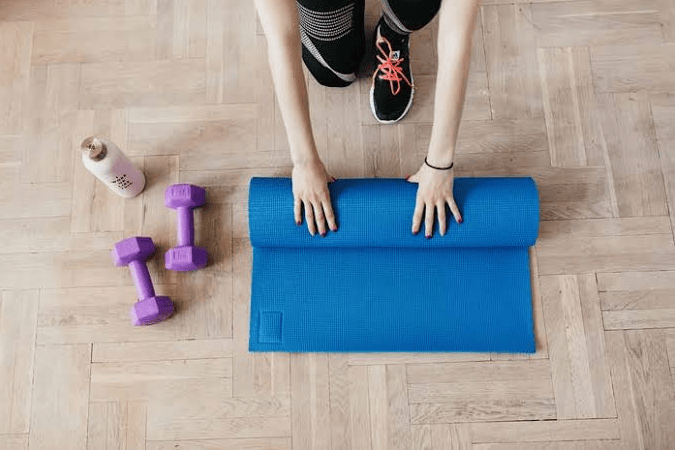
The modern concept of residential living has undergone a significant transformation over the past decade. Homeowners are no longer satisfied with merely having a roof over their heads; they crave environments that actively contribute to their physical and mental well-being. This shift in priorities has given rise to a new era of residential developments that seamlessly blend luxury living with comprehensive health and fitness amenities. Among the most innovative and impactful of these trends is the emergence of Fitness Club Homes, which are redefining what it means to live a balanced, health-conscious lifestyle. These developments are not just about having a treadmill in a basement; they represent a holistic approach to integrating wellness into the very fabric of daily life, offering a compelling alternative to the traditional gym membership and fragmented exercise routines.
The Rise of Wellness-Oriented Living
The demand for wellness-oriented living spaces is fueled by a growing awareness of the connection between environment and health. People are spending more time at home than ever before, and this extended presence has prompted a reevaluation of how living spaces can serve our health goals. A home that supports fitness is no longer a luxury but a necessity for many. Developers have responded by moving beyond the token weight room to create expansive, professionally designed fitness centers. These are not afterthoughts but central features of the community, often rivaling the equipment and atmosphere of high-end commercial gyms.
Beyond the Gym: The Comprehensive Amenities
The appeal of these modern residences extends far beyond the standard treadmill and weight rack. Today’s fitness-integrated communities offer a diverse range of amenities designed to cater to every interest and fitness level. Indoor basketball courts, swimming pools, yoga studios, and climbing walls are becoming common features. The goal is to provide variety, ensuring that residents can engage in cross-training, group classes, or solo workouts without ever leaving the property. This convenience is a powerful motivator; when a state-of-the-art facility is just an elevator ride away, the barriers to exercise—commute, time constraints, and cost—are significantly reduced.
Design and Architecture for Active Lifestyles
The design philosophy of these communities reflects a deep understanding of active lifestyles. Architecture is no longer just about aesthetics; it is about facilitating movement. Floor plans are often open and flexible, allowing for dedicated workout spaces within the home itself. Balconies and patios are designed to accommodate equipment or serve as serene spots for yoga. Natural light is prioritized to boost mood and energy levels. The entire environment is curated to promote an active, vibrant life. The inclusion of green spaces, jogging trails, and bike storage further encourages residents to integrate physical activity into their daily commute or leisure time, making fitness a seamless part of everyday life rather than a chore.
Community and Social Wellness
Perhaps the most profound aspect of these living spaces is the community they foster. Fitness is inherently social; group classes, team sports, and even casual gym interactions create bonds between neighbors. This social fabric is a critical component of mental and emotional health. Having a workout partner or a community of like-minded individuals provides accountability, support, and friendship. It transforms solitary workouts into social events, making exercise more enjoyable and sustainable. This sense of belonging is a powerful antidote to the isolation that can often accompany modern life, adding a vital layer of social wellness to the physical benefits.
Integrating Nutrition and Holistic Health
A truly comprehensive approach to wellness extends beyond exercise to encompass nutrition and overall health. Recognizing this, many of these residential developments are incorporating services and amenities that support a healthy diet. On-site juice bars, healthy cafes, and even kitchens for cooking classes are becoming popular. Some developments partner with nutritionists to offer dietary consultations or host workshops on healthy cooking. The provision of community gardens is another growing trend, allowing residents to grow their own fresh produce. This integration of nutrition with fitness creates a holistic ecosystem where every aspect of health is supported, making it easier for residents to maintain a balanced and healthy lifestyle.
The Role of Technology in Modern Fitness Homes
Technology plays a pivotal role in enhancing the fitness experience at home. Smart gym equipment that tracks performance, virtual reality fitness games, and apps that connect residents to personal trainers or group classes are now integrated into the living experience. This tech-savvy approach appeals to a generation that values data-driven insights into their health. It also offers flexibility, allowing residents to choose between a guided digital workout or an in-person class. The seamless integration of technology ensures that the fitness experience is not only effective but also engaging and personalized, adapting to the evolving needs and preferences of the residents.
Sustainability and Wellness
The connection between a healthy environment and personal health is now widely recognized. Many new residential projects, including these fitness-centric homes, are incorporating sustainable building practices. Green roofs, energy-efficient lighting, and the use of non-toxic materials contribute to better indoor air quality and a smaller carbon footprint. A clean, healthy environment is foundational to well-being, and these sustainable features align perfectly with the core values of a health-focused community. Living in a space that is both good for the individual and the planet adds a profound sense of purpose and satisfaction to the daily living experience.
The Future of Urban Living
The future of urban planning and residential development is undoubtedly trending towards these integrated wellness models. As cities become denser and lifestyles more hectic, the need for accessible, convenient health solutions will only grow. The concept of living in a space that actively contributes to one’s physical and mental health is becoming a deciding factor for many homebuyers and renters. This is not a passing fad but a fundamental shift in what we expect from our homes. They are no longer just shelters but sanctuaries that support our highest aspirations for a healthy and fulfilling life.
Conclusion
In conclusion, the evolution of the home into a central hub for health and wellness marks a significant and positive development in modern living. By providing unparalleled convenience, a supportive community, and a holistic environment, these residences are empowering individuals to take control of their well-being like never before. The focus on comprehensive amenities, from nutrition to social engagement, creates a lifestyle where fitness is not an interruption to daily life but an intrinsic part of it. This model represents the new gold standard for residential living, where the home itself becomes a powerful tool for achieving long-term health and happiness. The integration of these principles into a single living environment is the essence of Fitness Club Homes, a forward-thinking concept that is likely to shape the future of residential real estate for generations to come.


Leave a Reply